book publishing

Vegas Bound!

I’m off for a week of travel: First to Las Vegas for the ALA Annual Conference, then to Wisconsin to relax and spend time with family–and also visit a favorite indie bookstore, Mystery to Me.

If you’re at ALA, please come say hi when I’m signing in the Sourcebooks booth on Sunday, from 3:30-4:30 p.m. Here’s more info on that.
AC14_ImAttending

Or check out the Class of 2K14’s super fun trivia event, with Jay Asher and Josephine Angelini. My suitcase is full of prizes! Our Trivia Showdown is on Sunday from 11:00-12:30, and here’s more info on that.

And, finally, a link to the Events page for Mystery to Me. I’ll be there on Wednesday, July 2, from 6:00-7:00 p.m.

I’ll have lots of pictures (and words) about ALA once I’m back. Until then, have a great Fourth of July!

BEA: Middle Grade Panel

Thursday was my lucky day, and I got to pop by BEA to spend a couple hours on the floor. I timed it so I could check out a panel: “Writing Strong Female Characters In Middle Grade Books” with Lauren Oliver, Sharon Creech(!),* Judith Viorst, and Shannon Messenger.
Here are some highlights from the panel.**

Which comes first, the world or the character? How does a voice develop?
For Lauren Oliver, character and world develop simultaneously. Specific lines come to her first, which bring the character and worlds together; then she starts exploring it. “The character’s journey is yours, too, as a writer.”
Sharon Creech also finds that world and character develop simultaneously. She strives to stay true to what the character thinks, feels, and speaks. That helps define the world (and voice).
For Judith Viorst, voices lurk “in the location of her belly button.” Writing her Lulu books was the first time that she went from telling a story to her grandkids to turning it into a book.
Shannon Messenger trusts the story: “It tells me where to go.” Her character Sophie came to her before the world of the story did (Keeper of the Lost Cities).

Thoughts on writing middle grade (as opposed to other categories):
All of the authors spoke to the satisfaction of knowing that they are converting/creating readers with their MG books.
LO: Writing middle grade “is like slipping into a blanket.” [I love that sentiment! I think for a lot of lifelong voracious readers, reading/writing middle grade feels like going home.]
SC: Middle grade is the age at which kids fall in love with, or into, books. It’s also an age at which kids are becoming very mature and thoughtful. For a writer–it’s fun to explore those contradictions.

When do you include older characters in a middle-grade story?
SC: She always feels compelled to have older characters and to incorporate what they are thinking.
LO: Sometimes she includes older characters; sometimes she simply has a “mechanism of older wisdom;” it depends on the book.
JV: Likes to include a lot of sibling rivalry.
SM: Is partial to the “cliche of the orphan,” but her characters still have parental figures.

On unlikable characters:
JV: Loves the “hard likes”–characters the reader will eventually come to like, but it’s not easy.
LO: Never felt nor internalized the pressure to be a good girl, so she likes complexity in her characters.
SC: Unlikable, or bad, characters are much more fun to write.
SM: Her “bad boy” character was the most fun to write. She notes that you have to push the reader to see why they should like those characters.

On their writing processes:
LO: The mystery is: what’s this book about. She outlines to some extent, often after she writes 10K so the book starts living.
SC: Has a fluid process. She doesn’t trust an outline [for first drafts] and has to go organically or it is too school-like. After the first draft, she sort-of outlines to look for holes.
JV: The discipline is getting in the chair. She makes herself sit down every day, idea or not.
SM: She makes word count goals, which are sometimes unrealistic. Prefers the “Connect the Dots” method of neither outlining nor pantsing.

*A favorite author from my own middle-grade years, so I was thrilled to see her. I heard Sharon Creech speak about Walk Two Moons and Absolutely Normal Chaos as a tween, and the writing advice she gave in that lecture continues to inspire me!
**Please do not treat as direct quotations as my note-taking was fast and furious.

TAC 2012 Recap in Pictures

I can sum up Teen Author Carnival 2012 in one word: fantastic.

So fantastic, in fact, that while I was enjoying listening to all the wonderful authors speak, I neglected to take notes about the panels. Doh.

I did take some pictures, though:

The Keeping it Realistic panel
Authors Lauren E. Morrill and Siobhan Vivian
The Where Have You Been All My Life? panel
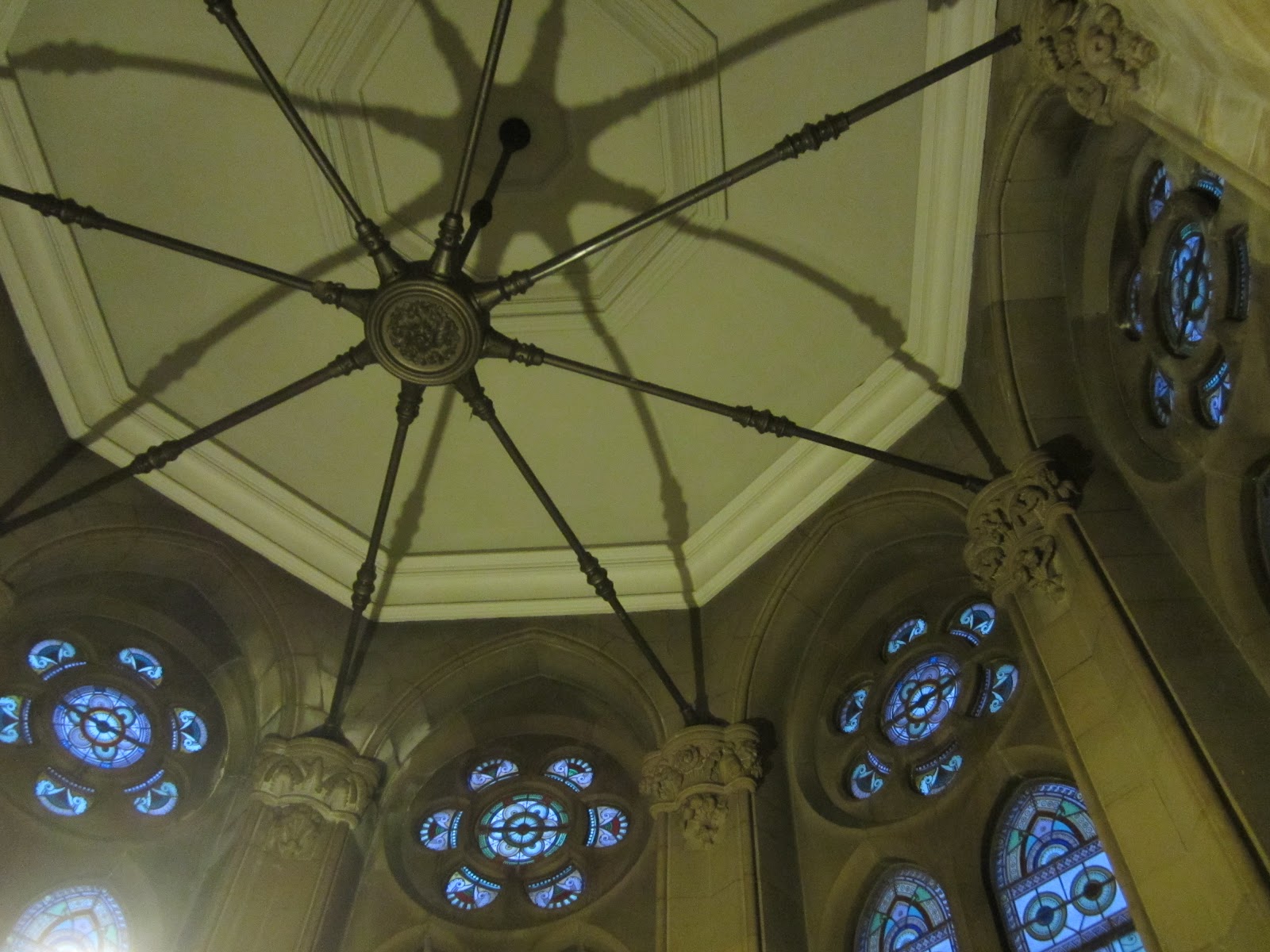
Such a gorgeous library
 
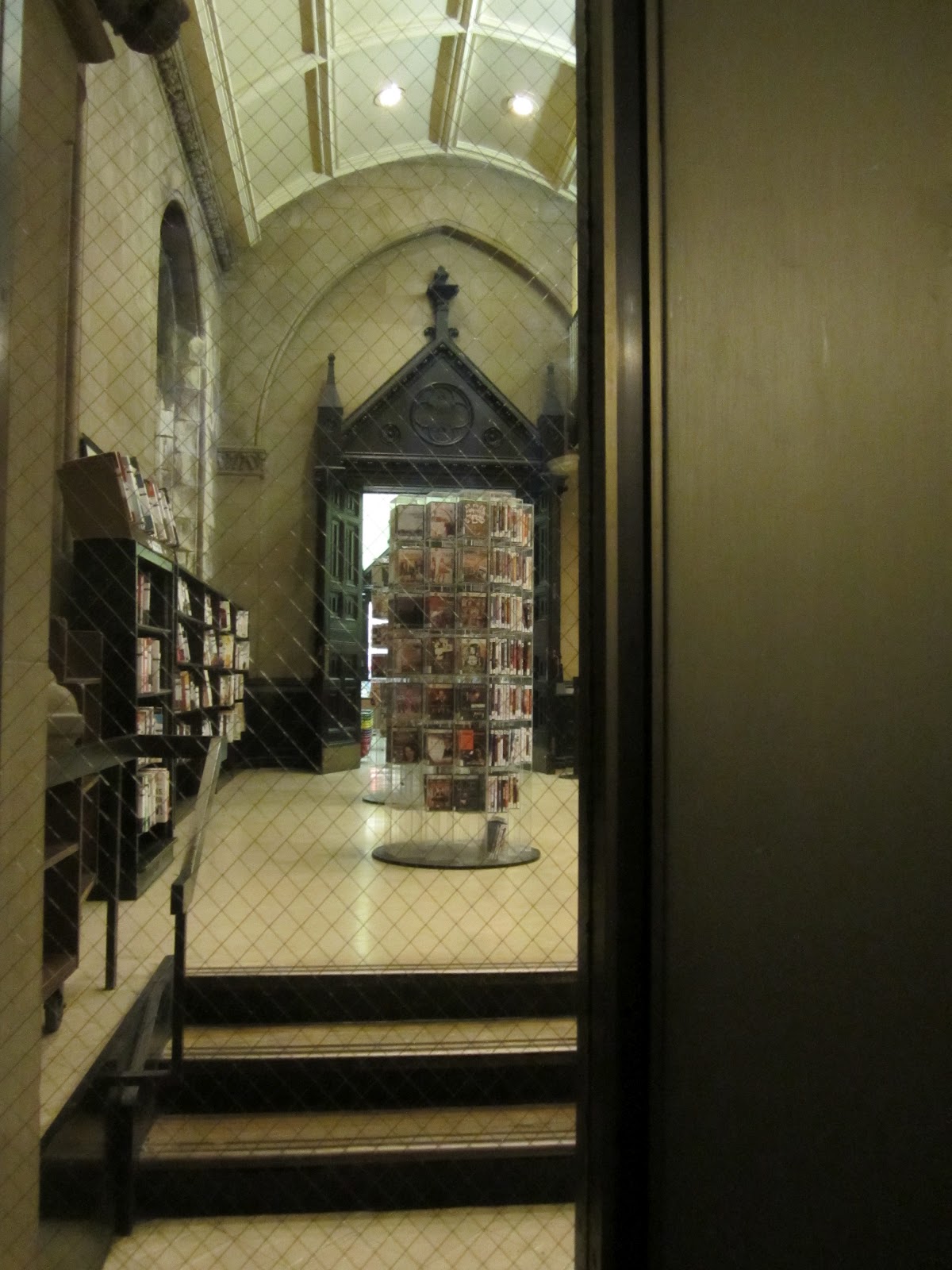
More gorgeous library (through a door, hence the crappy photo)


I also got to meet up in person
with some super-cool writer peeps, like Ghenet, Gina, and Elodie! And
learned an important lesson about why it is finally time for me to get a
smartphone (I still use a slide-out qwerty phone without internet):
because I missed out on meeting quite a few other writer friends because
I had no access to Twitter until I got home. Sad face. It’s time, so
I’ll head to the Apple store this weekend, and into the 21st century!

Have you been to any BEA week events this week?

How a Book Used to Be Made

The Westing Game was my favorite books from fifth grade to–well, it’s still a favorite. If you haven’t read it, please go find a copy because it’s an amazing read.

I was perusing the [Cooperative Children’s Book Center] CCBC’s site today and unexpectedly discovered that they have an online archive of the manuscript of The Westing Game. Author Ellen Raskin donated her manuscript materials and provided audio and written commentary in 1978, around the time the book was published by Dutton. Her goal was to inspire those who used CCBC’s services, because she “often remarked during her career that she wished she had known ‘where children’s books come from’ while she was a young UW-Madison art student.”

I think this archive is really, really cool even if you don’t adore The Westing Game. The process Raskin describes for book production is very, very different from how it’s done today, so it’s a kick to see how publishing used to work. There are scores of her handwritten notes, outlines and planning (such as her notes on potential titles), research materials (such as a letter about Wisconsin Judges), marked-up drafts, and even her book cover designs. If you have any interest in manuscript history/the history of publishing, check it out! If you don’t care about book production, you still might be inspired by some of her methods for the writing process.

Archives