revising

New Canaan + nErDcampLI

Time flies when you’re having fun . . . or you’re revising. I was doing both this fall. In November I turned in the final manuscript for my next MG novel, which will be out in October 2019. The new title (and cover, and a bunch of other info) I’ll share in the new year!

In terms of fun, I had great trips to Wisconsin (where the fall color is always divine), California (where the Disneyland is always magical), and Sleepy Hollow (where the Halloween is pumpkininny). In terms of bookish fun, on October 28 I visited the lovely New Canaan Library for a middle-grade author extravaganza. We had a lively panel followed by a signing, and it was delightful.
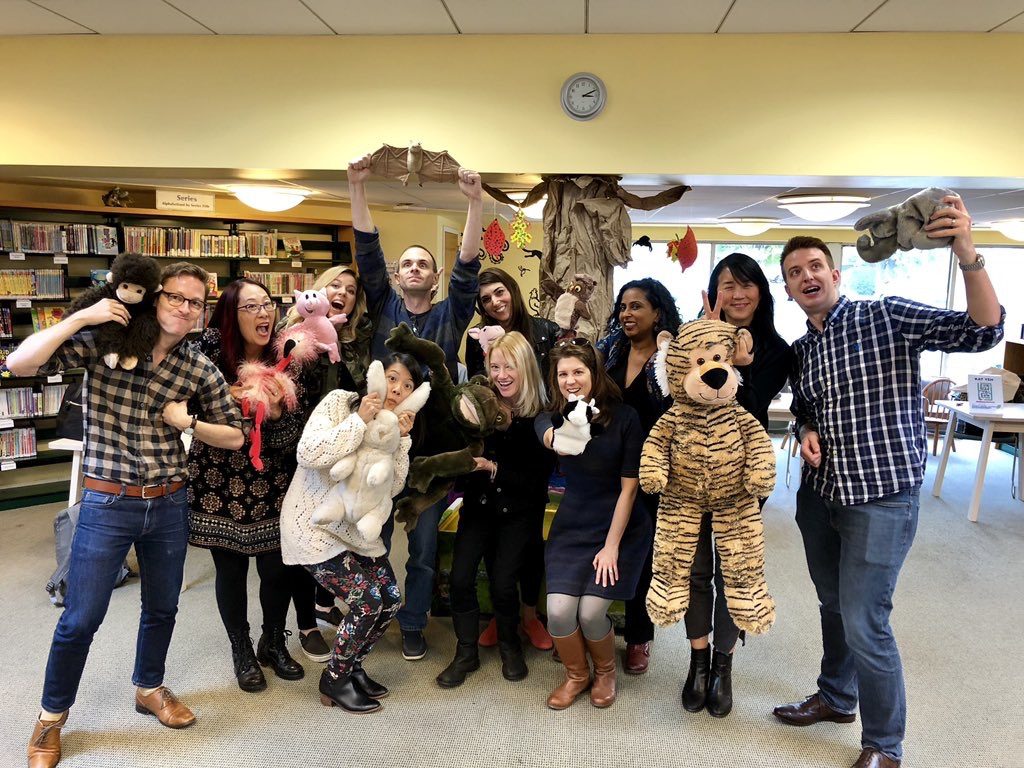
The extravagant authors (and friends)
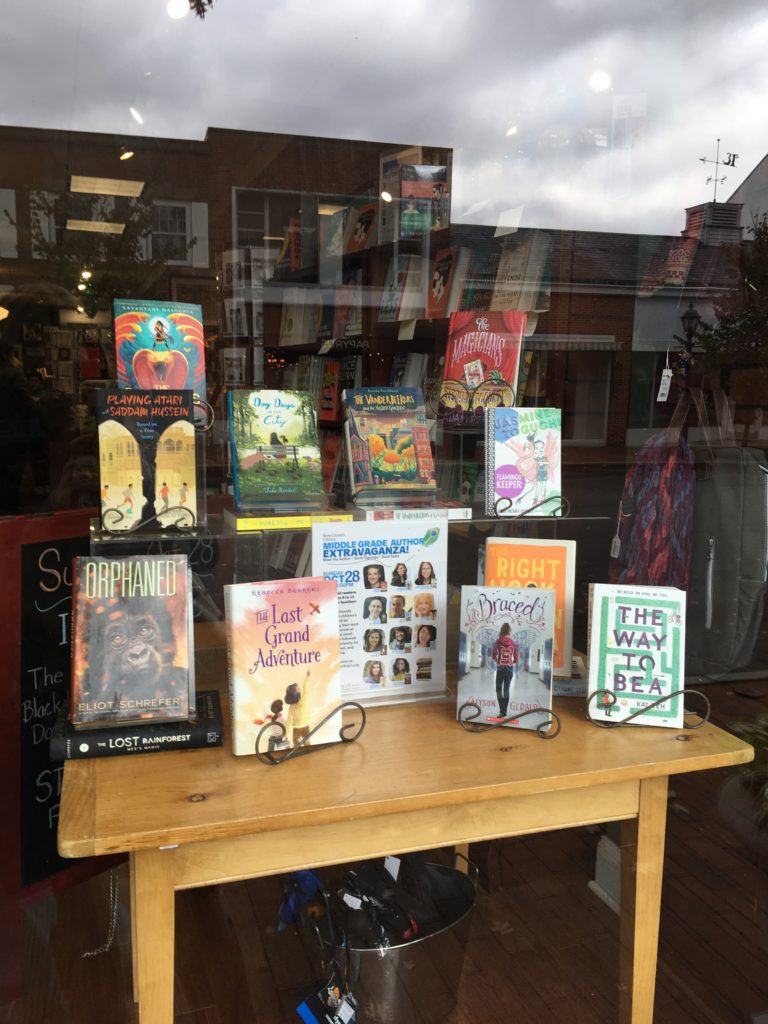
Our books on display at Elm Street Books 🙂
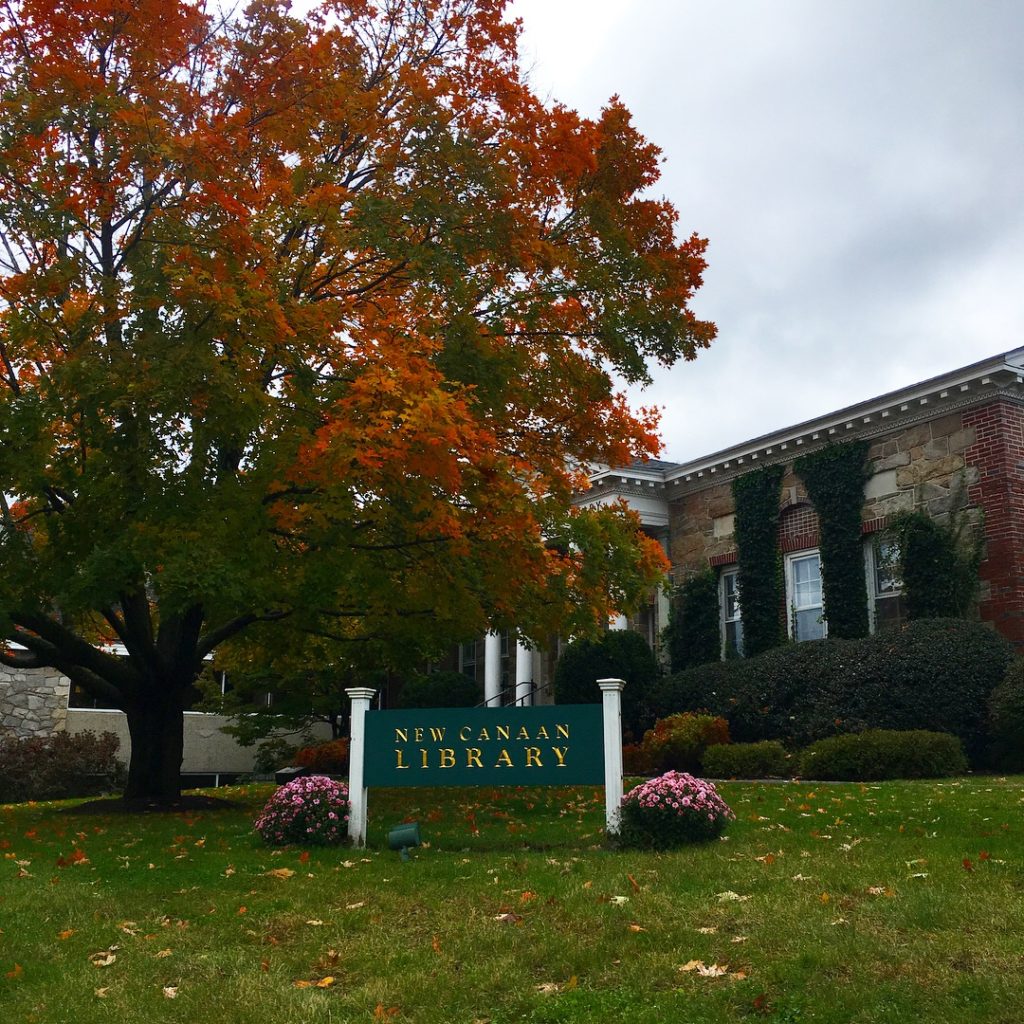
The lovely library

The next Saturday was one of my favorite days of the year: nErDcampLI! I was too busy learning, sharing, connecting, laughing to take many pictures, but here are two:
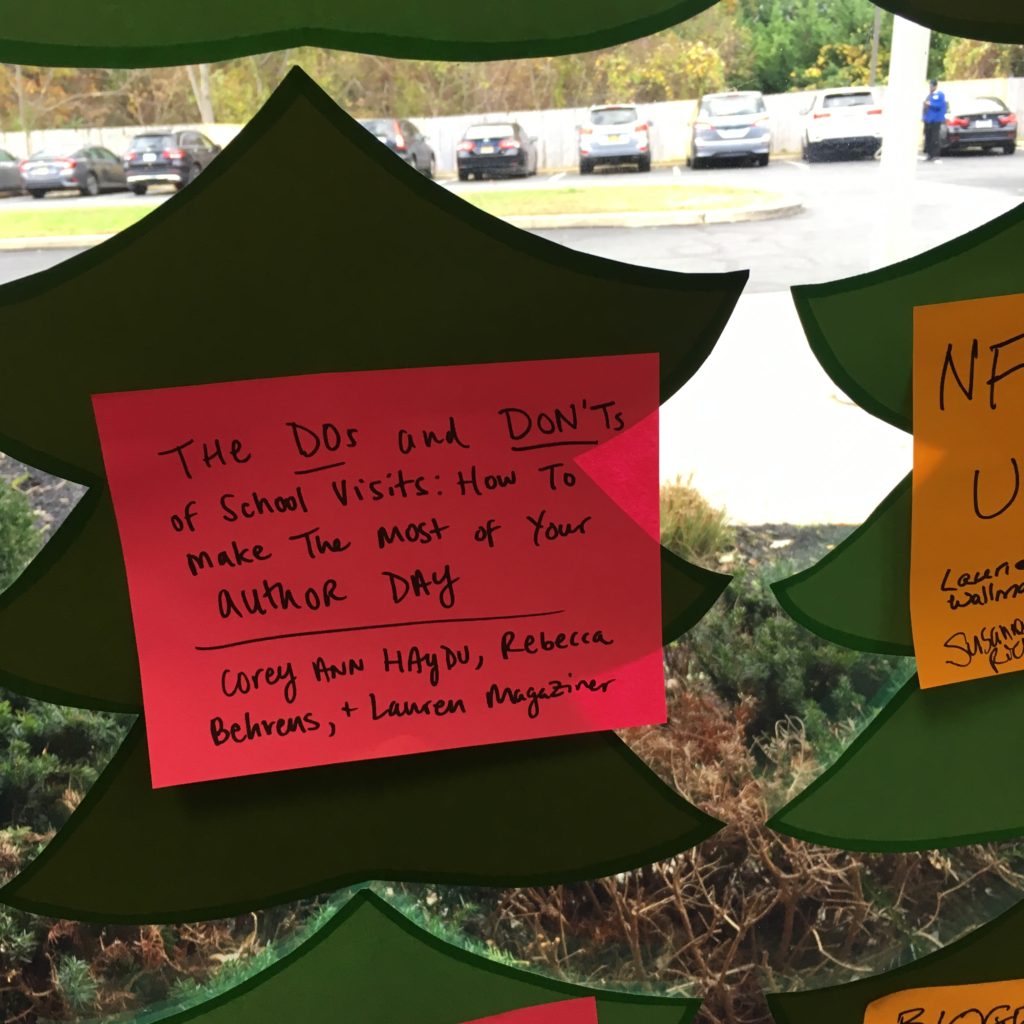
Our panel on school visits went great–lots of ideas to incorporate for next year!
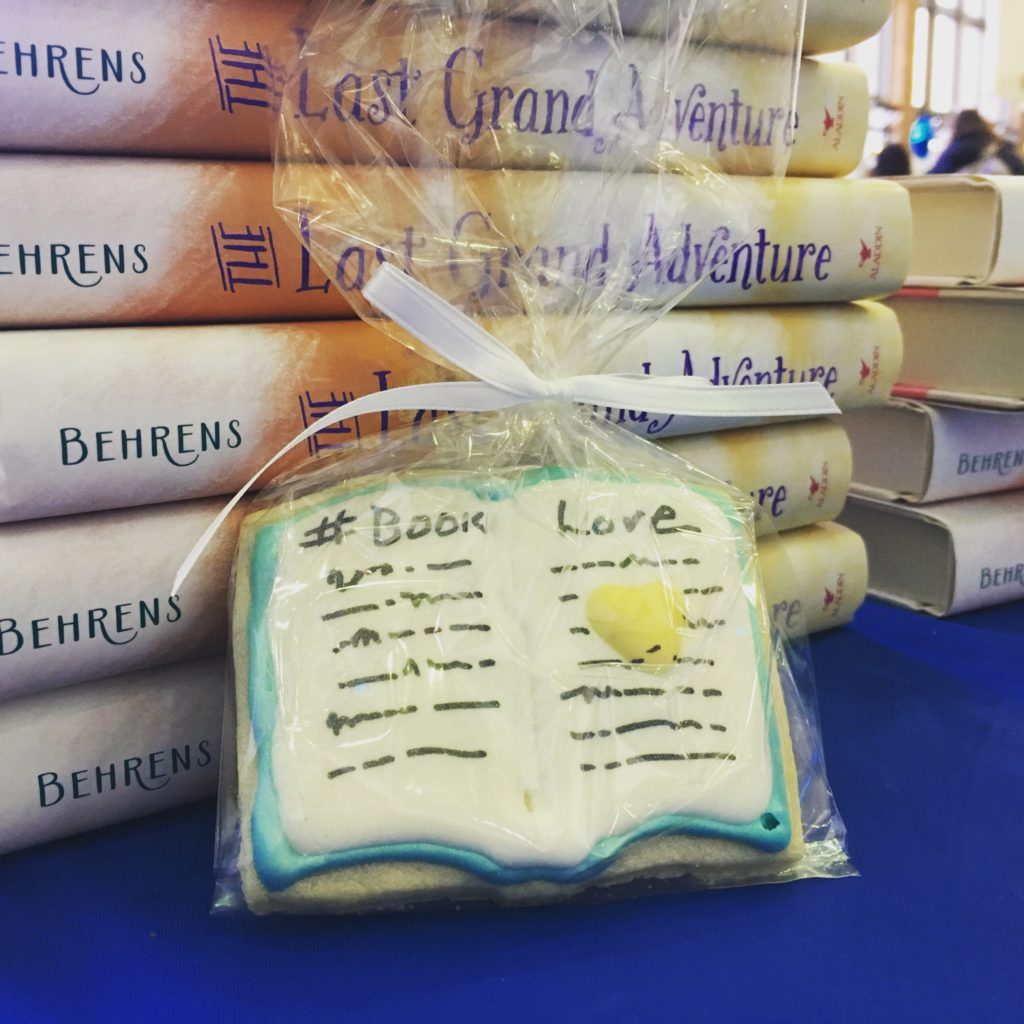
Book love in cookie form

Now I’m ready to hibernate with a new project I’m writing. Hope your fall was fantastic!
Bye, Winter!

Happy spring!

I spent most of my winter inside, staring out at the snow (or, more accurately where I live, slush-covered streets) while revising, and revising, and then revising The Last Grand Adventure. (Writing is editing, right?) I did take a break in between rounds to meet up with MG author and friend Lauren Magaziner and try out Dō, a new bakery that specializes in safe-to-eat raw cookie dough. It was delicious–and decadent–and worth the wait in line.

C6_PVqiWcAAIIv2

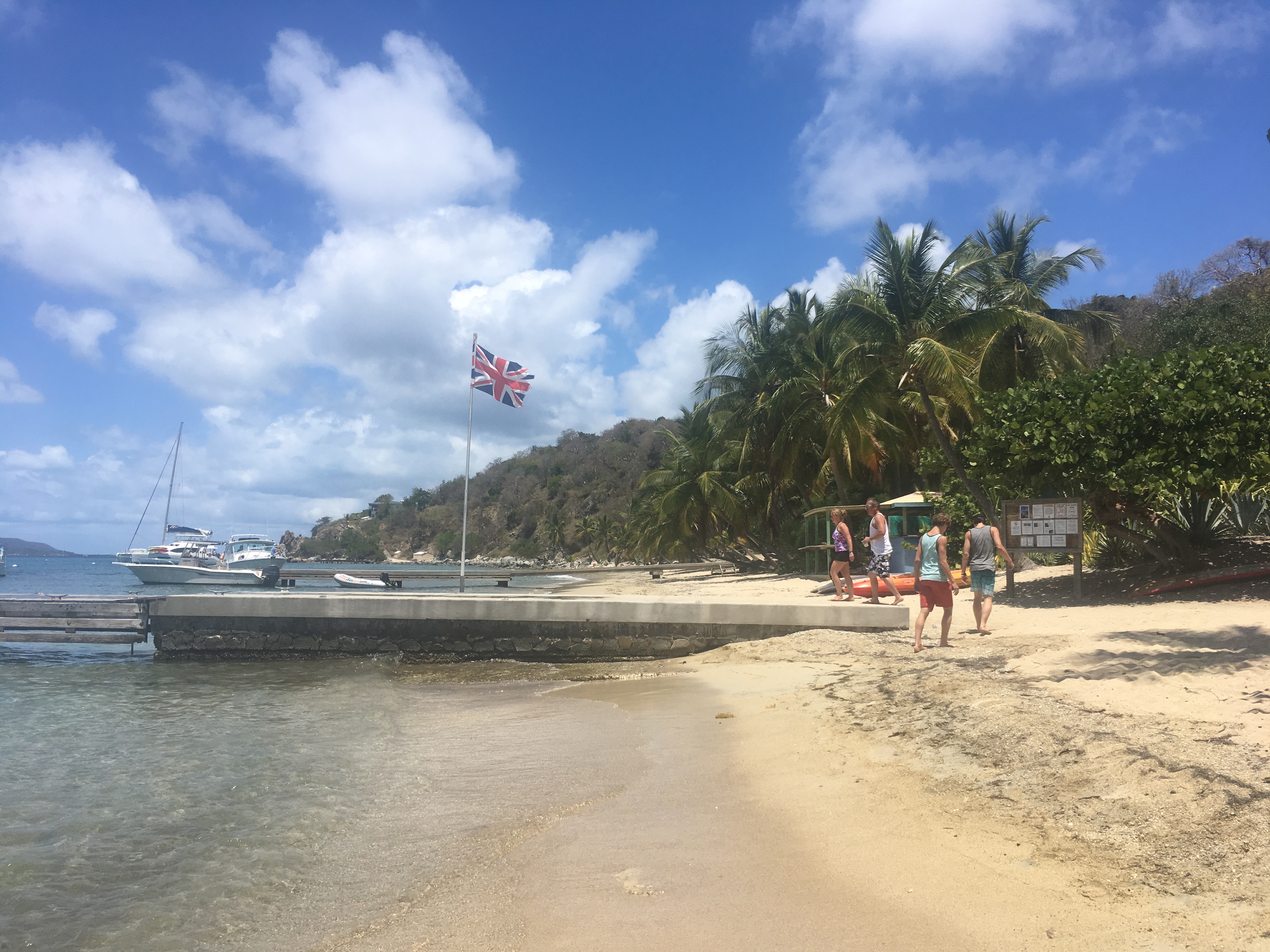
After I put the finishing touches on The Last Grand Adventure, I got to do some adventuring of my own! I headed to the sunny Caribbean and visited the British Virgin Islands–getting the first stamp in my passport in a long time.

IMG_1503

And I caught up on my reading. Nothing pairs better than the beach and a good book. Next on my to-read list is Erin Entrada Kelly’s Hello, Universe, which I’ve been eagerly awaiting since I heard Erin talk about it at a panel last fall.

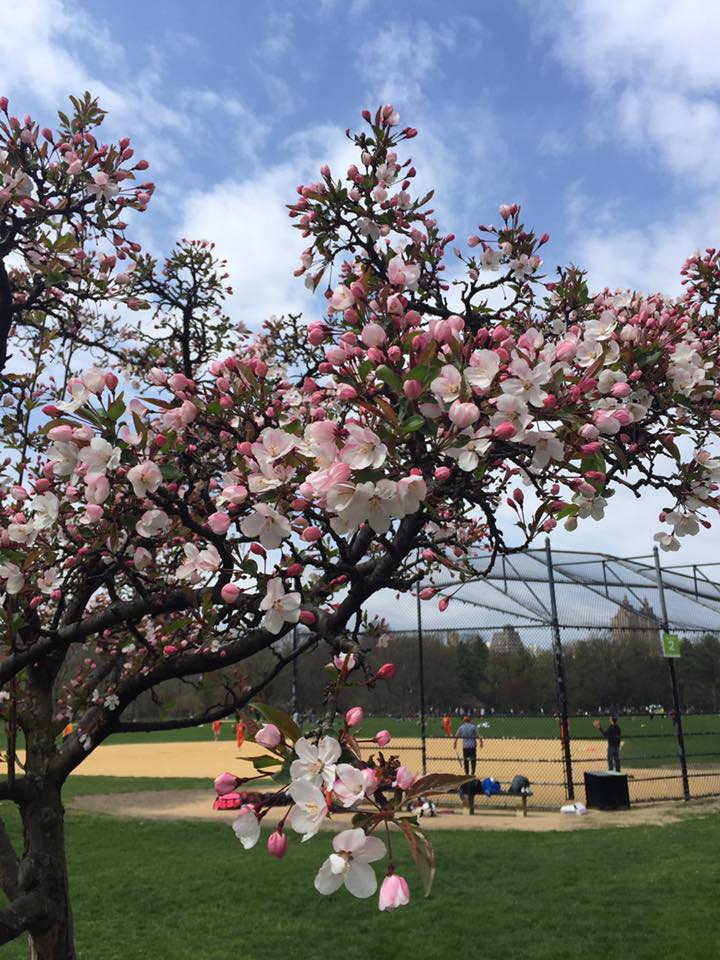
I’m starting some new projects now–always an exciting and kinda scary part of the writing process–but taking lots of breaks to check out the spring flowers popping up around the city.

17991949_10102349693003205_4634260492611135164_n

How are you celebrating spring?

Catching up

Even though the winter seems long, time is flying by. Have I really not posted since nErDcampLI? Here’s what I’ve been up to lately.

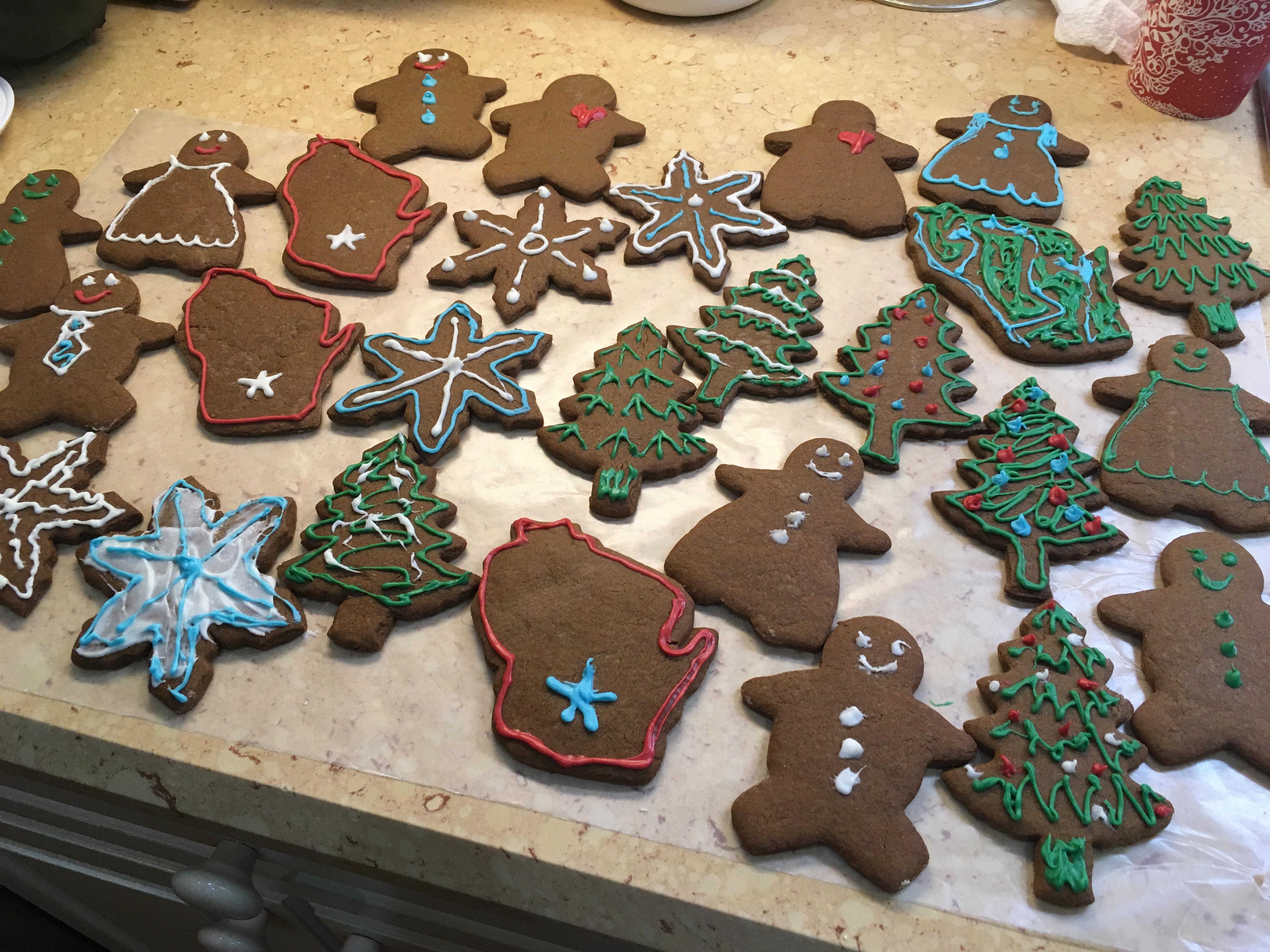
I made a quick trip to Wisconsin for the holidays, where I managed to bake gingerbread cookies:

IMG_1074

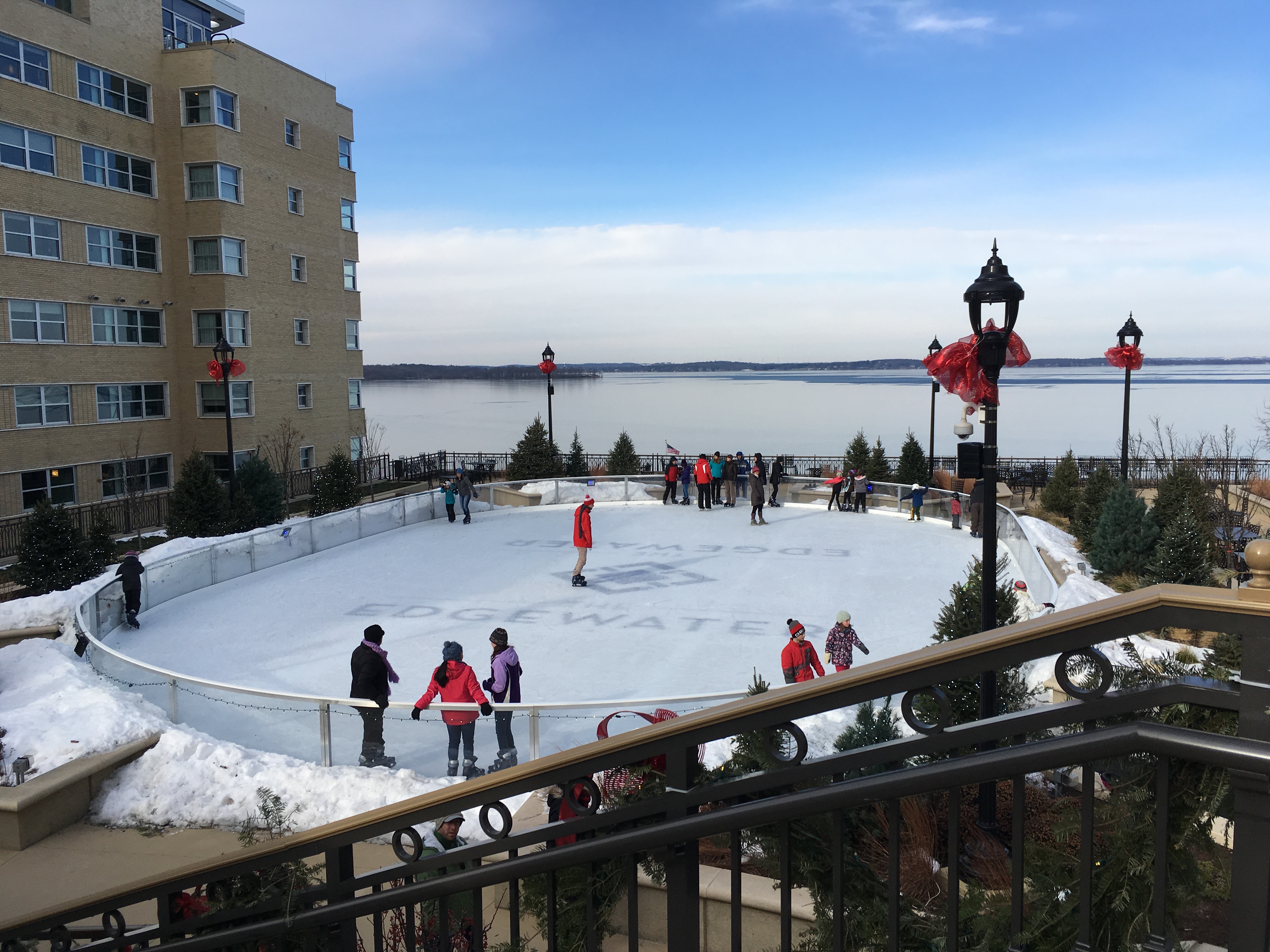
And check out the new ice-skating rink on the beautiful, not-quite-frozen-solid Lake Mendota:

IMG_1097

Back in New York, a cool new subway opened:

IMG_1138

But I haven’t spent much time riding it–I spent January working on my revision of The Last Grand Adventure. It was a lot of work, and a lot of fun, to get back into Bea and Pidge’s story. I took occasional breaks to read:

C1nHaQHWEAEKHeB

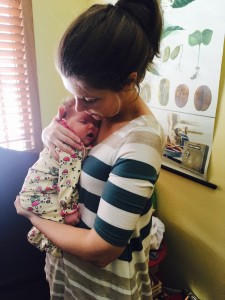
In early February I turned it in to my editor and then hopped a plane back to Wisconsin to meet my new niece:

FullSizeRender

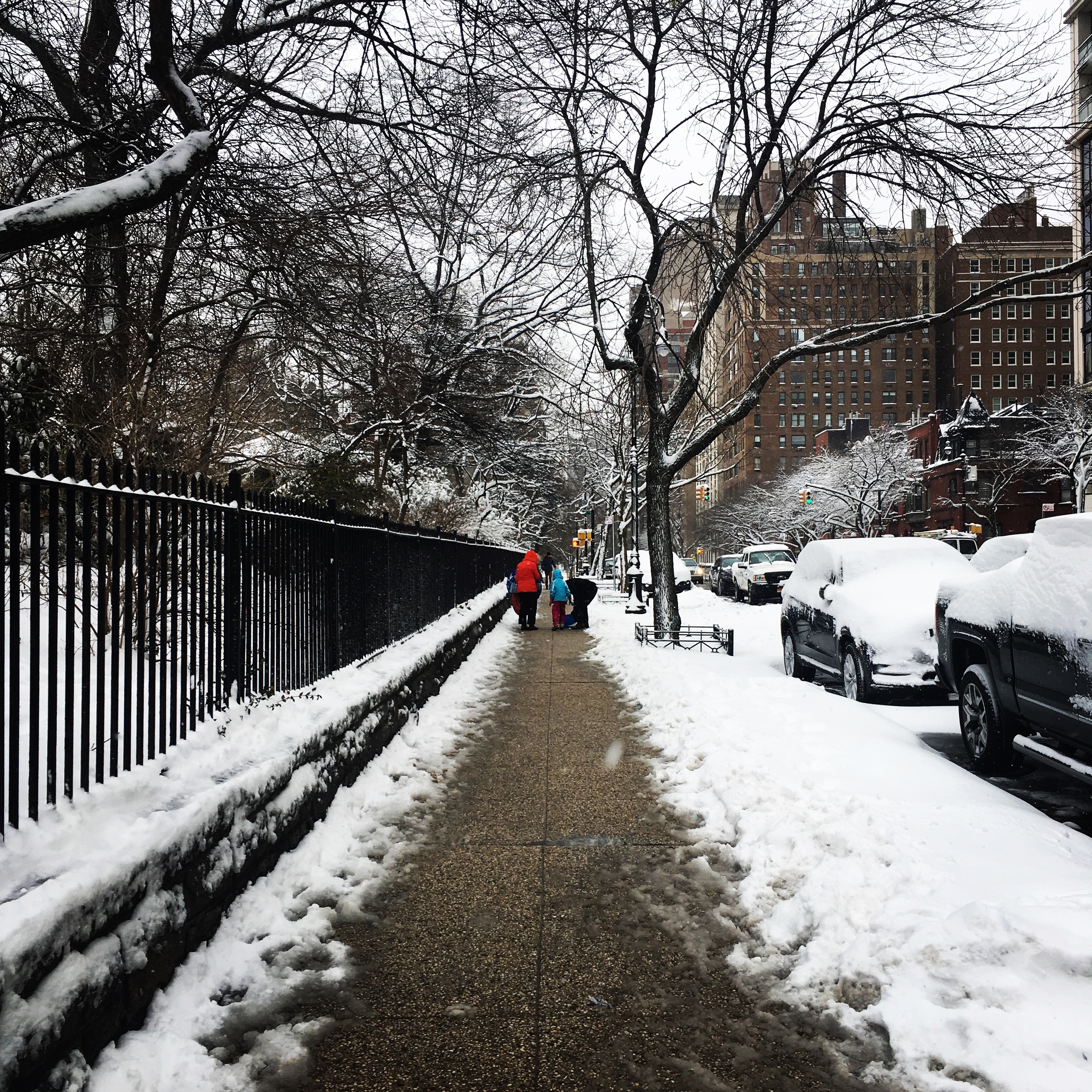
I think she’s pretty adorable. 🙂 I made it back just before a snowstorm hit the city and gave us all a peaceful snow day:

IMG_1233

What have you been up to in these cold, cozy months?


SUMMER, Fun

In my mind, summer is full of lazy days and long nights, salt breeze and shooting stars, fireflies and fireworks. It’s a time for reading in the sunshine, ideally with an ice-cream cone or a Popsicle dripping down one’s hand but not onto the book. Basically, the season of fun and relaxation in a perfect balance.

In reality, it’s also full of busyness. Family visits! Weekend getaways! All while diving back into a story for a deep revision. Which makes it no less enjoyable–perhaps the rewards of summer are even sweeter if you’re working hard, too.

Last week I turned in Summer of Lost and Found, after an intense month of revision. I’m so excited for this story! Here’s how I’ve been rewarding myself for finishing my work:

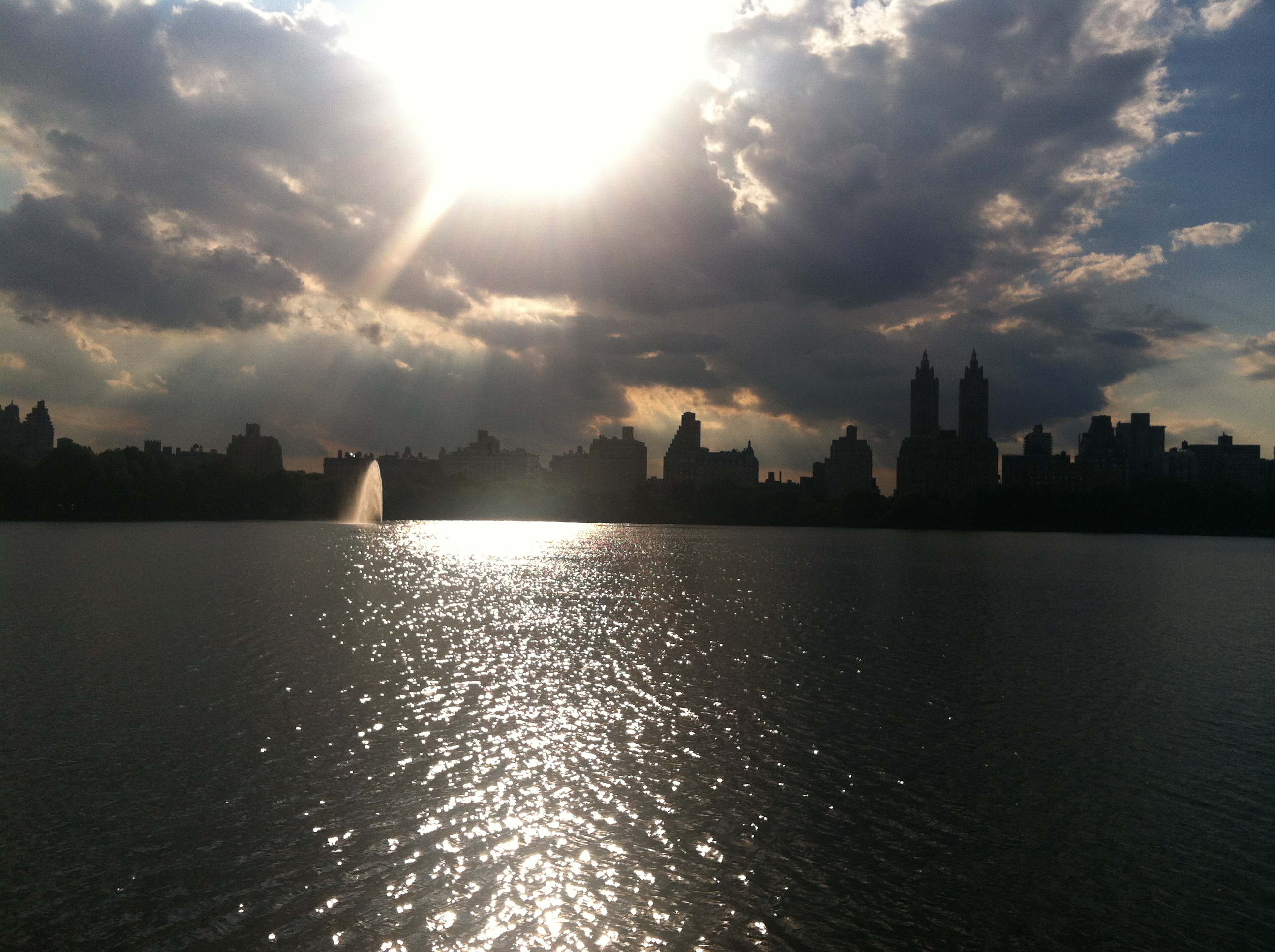
Reservoir runs

Reservoir runs

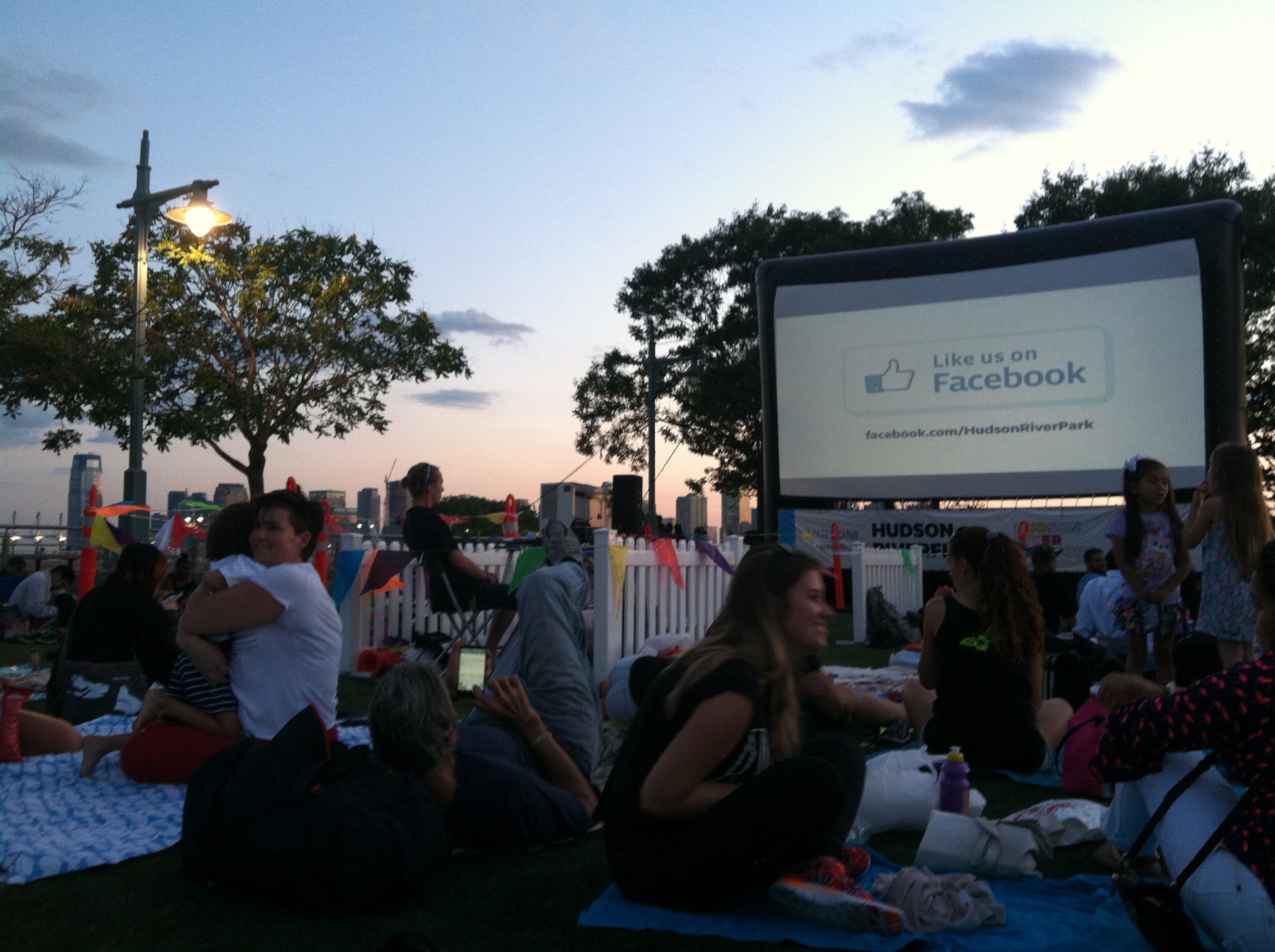
Movies on the Hudson

Movies on the Hudson

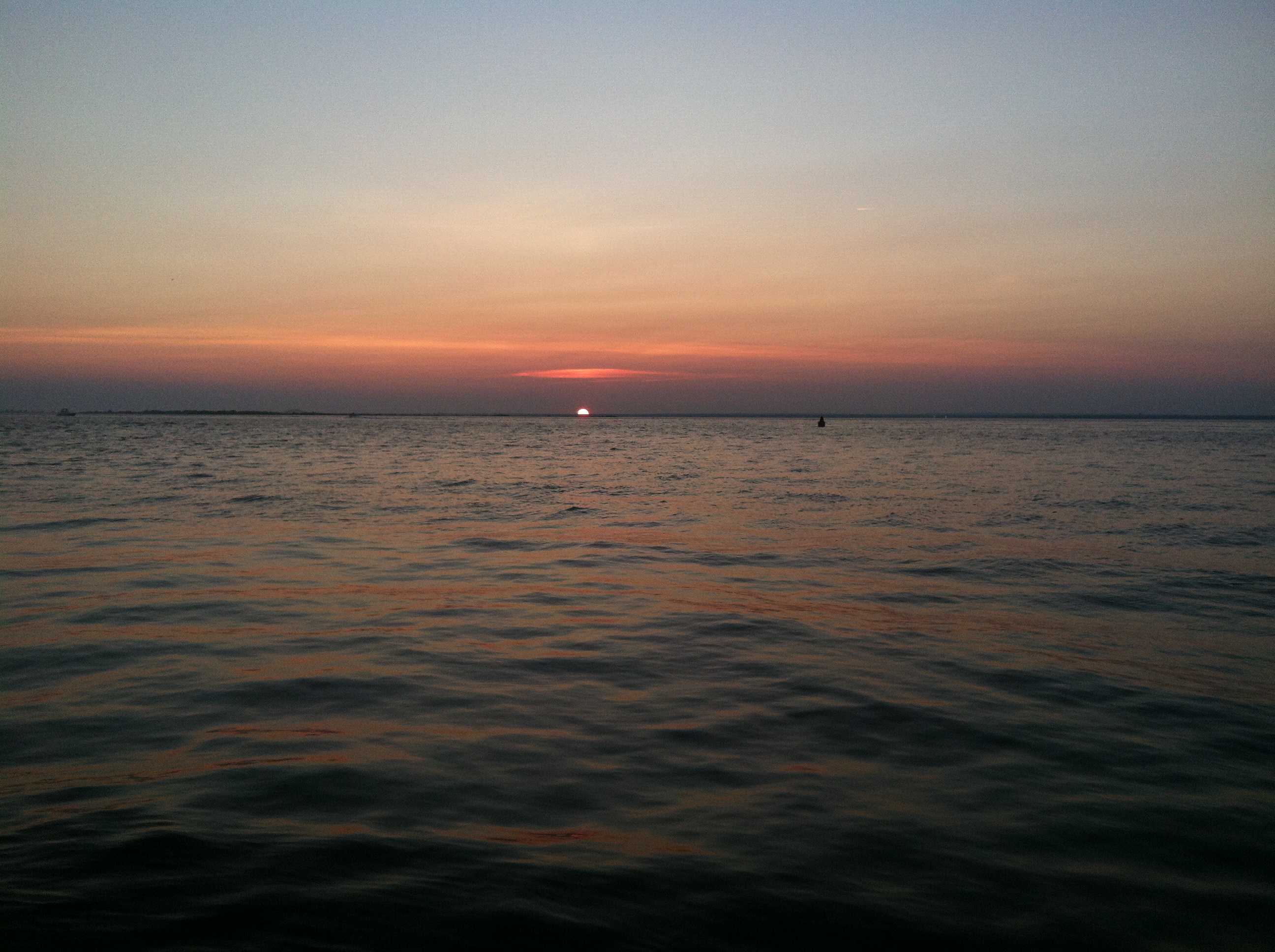
Sunsets on the sound

Sunsets on the sound

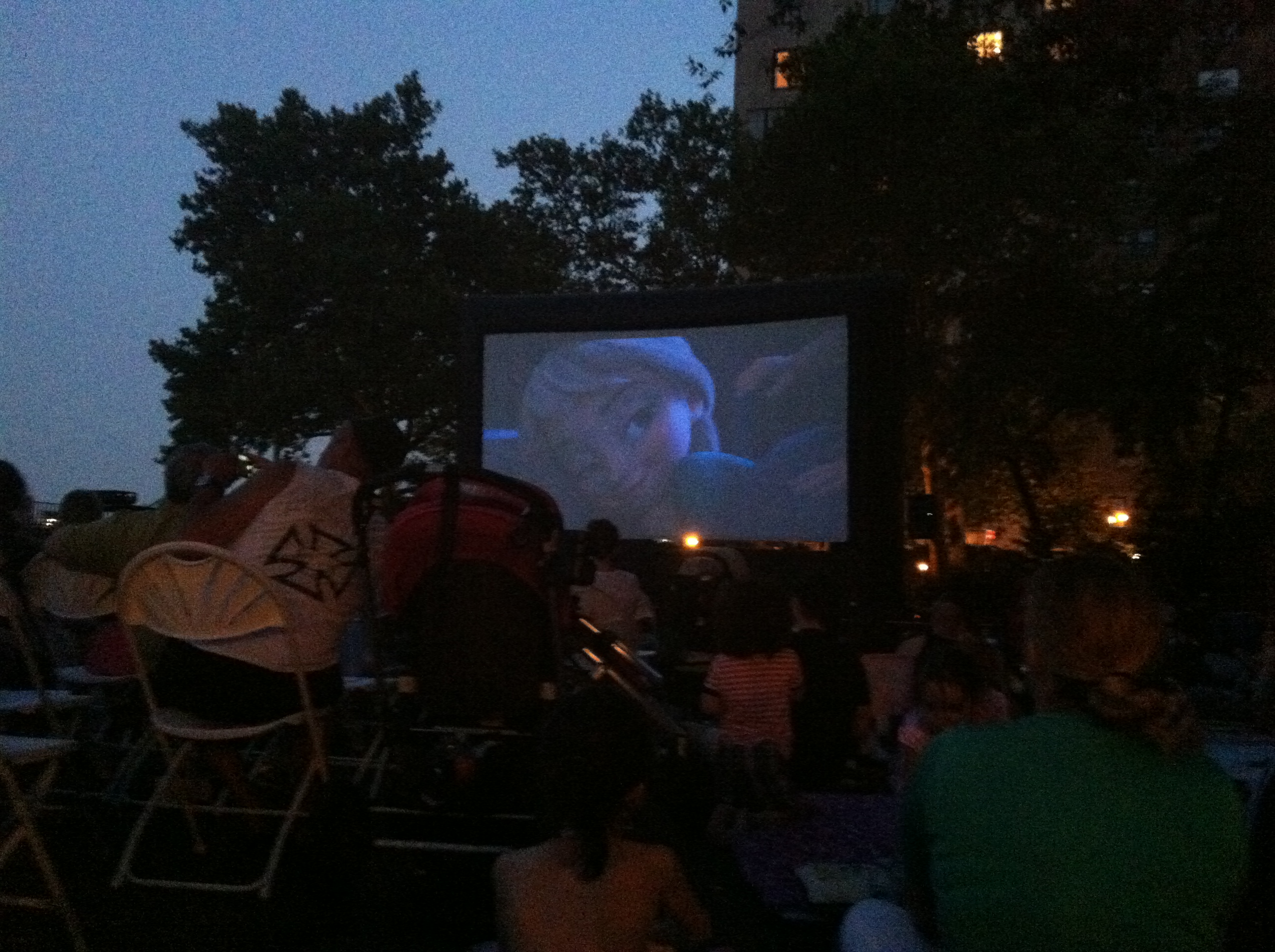
Frozen in the park

Frozen in the park

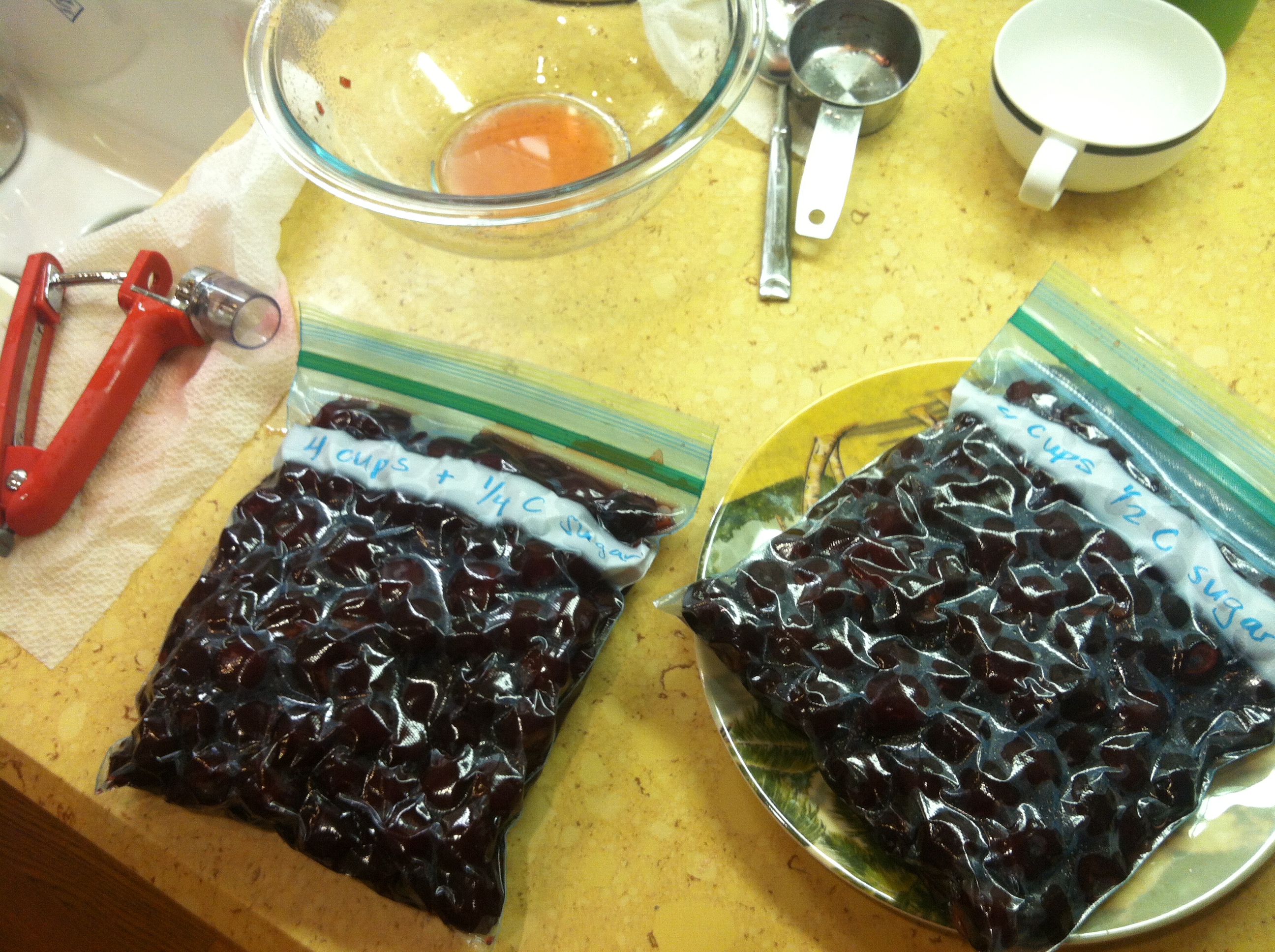
2 quarts of cherries, pitted (yes, I consider this a reward!)

2 quarts of cherries, pitted (yes, I consider this a reward!)

How have you been celebrating this season?

Time Flies

It’s summer! And if the saying is true, this week the corn will be knee high–it’s almost the Fourth of July. It feels like yesterday I was lamenting Arctic cold and unmelting snowpiles. Now I’m itching mosquito bites as I write.

Last week I traveled back to Wisconsin for a relaxing visit with family, including my favorite picture-book reader:

IMG_1582

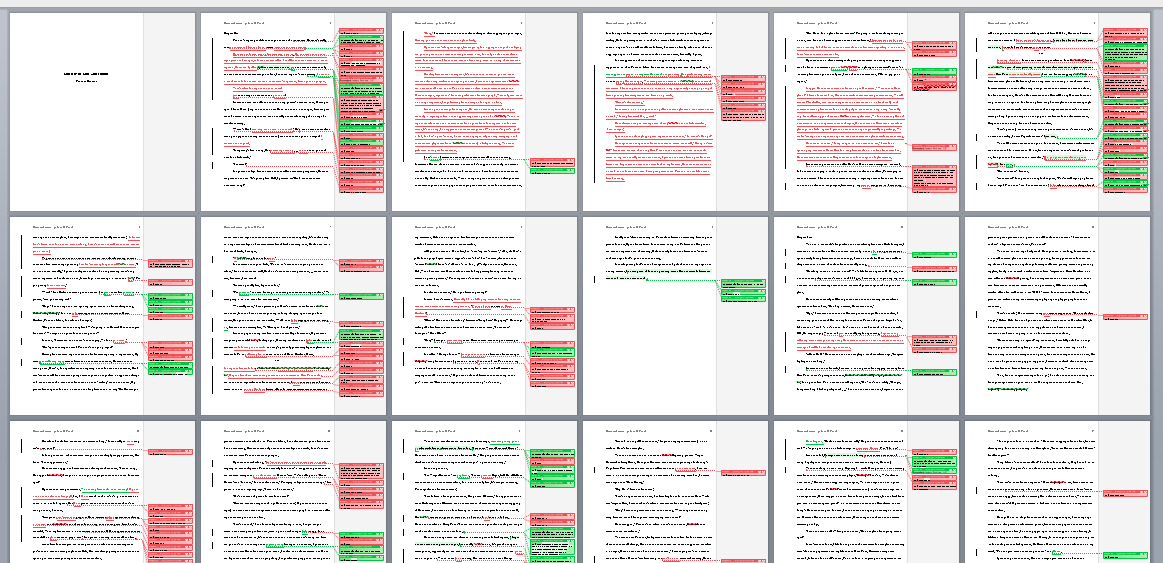
I came back to some editorial notes, and now I’m busy revising Summer of Lost and Found. (The heat and humidity is really helping me with the summertime atmosphere.) This is the fifth or sixth draft–I kind of lost track–and right now the document looks like this:

Screen Shot 2015-06-28 at 1.43.52 PM

Writing is editing, right?

Soon I’ll have exciting news like a pub date and jacket copy and maybe even a cover to share. In the meantime, I’m sequestered with my revision.

What’s new with you?

Fall Refresh

Summer passed in the blink of an eye, right? I’m sad to see the season of outdoor movies, beach days, and ice cream go. But I’m also excited about fall. Even though spring is the season of growth, I feel like fall is when I make a lot of my progress. Maybe it’s the nudge from all those “back to school” ads. But here are some of the things making me feel reinvigorated right now:

–Back to Kid Lit: In August, I didn’t read any kid lit. It was a month for beach reads and grown-up books, and I loved diving into some literary fiction. After reading so many fabulous ARCs and new releases so far in 2014—along with filling some of the gaps in my backlist reading—I needed a chance to read out of the MG/YA categories. Since September started, though, I’ve already read great MG books by two panelmates, K. A. Holt (Brains for Lunch) and Jennifer Ziegler (Revenge of the Flower Girls). I’m loving The Scar Boys by fellow Egmont author Len Vlahos right now. And next on my list: an ARC of Kristin Levine’s historical MG The Paper Cowboy.

–Back to work: Summer hours are over, and while I loved them, it’s a lot easier to fit writing in my weekday schedule now. And get to bed on time-ish!

–Back in the kitchen: Can I use the heat as an excuse for why I barely touched a pot or pan this summer? (Even if it was a pretty mild summer?) There was a lot of pizza . . . and nachos. Anyway, I have a stack of new recipes and a resolution to make my own dinner at least 3 nights a week. Even if it’s a sandwich. Baby steps.

—Back to pumpkin: In truth, I am far less obsessed with pumpkin spice lattes than I used to be–but I remain a huge fan of baking with pumpkins. Or putting them into soup. (Or fermented beverages.) I like that this time of year, you can eat pumpkin-everything.


–Back to writing: I spent a lot of time this summer traveling to talk about When Audrey Met Alice, which was super fun. I wrote two historical short stories that will appear in Scholastic’s classroom magazines Storyworks and Scope, and also Cricket. I also revised Summer of Lost & Found and sent that off to my editor last month. Now, I’m finally writing a new book. I’ve only put 5,000 words on the page so far, and first drafts can be a little scary. But it feels so good to be finding a new story to tell.


Not-So-Lazy Days of Summer

How exactly is it July 22nd already? I swear, I was staring out the window at slushy snow just days ago. And now back-to-school ads are popping up . . .

But even though this has been a busy summer so far, it’s been busy in delightful ways:

image2

Pre-fireworks in my beautiful hometown, Madison, WI

image

Quality time with my adorable nephew

image3

Sunny days at the beach

image4

Exploring the Catskills (not pictured: black bear encounter)

image5

NY’s gorgeous waterfalls

I’ve also read some amazing books lately, like Ann M. Martin’s Rain Reign and the short-story collection This Is Paradise.

From now until I head off to Texas, I’m working very hard on edits for The Summer of Lost and Found. I’m a little nervous about making this the best book it can be, but revising is also my favorite part of the writing process. I’ve had a few lightbulb moments in the past week, and I’m excited.

How’s your summer?


Writers on Writing

My fellow Sourcebooks author Nancy J. Cavanaugh tagged me in this fun blog-hop tour about the writing process. You can check our her post on writing here! And I’m tagging Jessica Love, whose debut PUSH GIRL releases in June, and the very talented Katy Upperman. Their posts will go up next Monday, May 5.

On with the tour!

What are you currently writing?

I have a few things in the works–all MG projects. One I’m revising (eternally, it sometimes seems) and another for which I’m working on an outline. I’m trying to write a fairly detailed outline, which is not something I have done in the past. Usually, I start drafting with an outline of about 1,500 words–enough to see the overall story, but not individual scenes. This time, I’m trying to figure out the plot a little more before I start. I’m sure the story will change as I write, though–it always does!

What makes your work different?

I am a genre-mixer: I can’t stop combining historical and contemporary fiction. I love exploring the relationship of past and present, and I’m drawn to characters who are the same. In When Audrey Met Alice, contemporary First Daughter Audrey discovers Alice Roosevelt’s wild life through reading a diary, and much like Audrey, I love discovering the complex stories of real historical figures through books. I’m fascinated by famous and historical settings, too–like the White House and the Lost Colony of Roanoke.

I don’t want to generalize too much about historical fiction, but I do think that a lot of books in that genre have a more serious tone. I tend to write slightly humorous voices, which I think is another thing that makes my work unique.

  
Why do you write what you do?

They’re all an answer to the same question, “What book would you have wanted to read ?” Most of my stories start from me thinking about what I was interested in as a middle-grade reader, like First Kids and mysterious disappearances and science and strong, inspiring women.  Especially because I tend to do a lot of research for my books–I better have a healthy interest in what I’m writing about!

What is your writing process?

First, I come up with the concept, which sometimes takes days, weeks, or months of brainstorming and lots of long walks/runs to work out the heart of the story. Then, I write an outline. After I have an outline, I do baseline research–enough that I can work out the plot and characters, but not so much that I get bogged down in details. (Otherwise, I’d never get to drafting–there are too many rabbit holes to fall down!) I write a first draft, slowly. I stop to do more research as needed along the way. Once I have a first draft, I put it away for a while–at least a few weeks. While drafting, I probably realized that I needed to explore certain topics much more in depth–so yes, there is even more research at this point. And then the revising starts–many, many rounds. Whoever said that “writing is editing” was right! The first draft is just a sketch; the shading and color and detail all comes later on, building slowly with each round.

Tell me, what’s your writing process like?


You’re (Not) Doing It Wrong

This rambling post is one I’d been meaning to write for a while, and then I read Katy Upperman’s fabulous post On Insanity last week,* which made me want to post it even more. One of the hardest things about being a writer is quashing the impulse to compare your trajectory with everyone else’s. Or what you think everyone else’s is. And on social media, we typically see mostly the big milestones that people reach: finishing a draft, getting an agent, winning a contest, selling a book. There’s a constant chanting of good news and big news for other people through blogs and Twitter and Tumblr. Well, yay! That is awesome. Good news for one is sort of good news for all, because it means that our industry is thriving and authors are creating and readers are buying. But the steady stream of “NEWS!” also presents an illusion, one that things are happening faster, or easier, or more frequently for other people.

The thing that I’m feeling all compare-y about lately is speed, or the lack thereof (in terms of how quickly I can finish a project). The more I tune into Twitter, the more I start to think that everyone else is writing perfect first drafts in four weeks, and still blogging, tweeting, and tumblring regularly. Meanwhile I am revising . . . and revising . . . and revising the same old WIPs. Which has been driving me slightly nuts. Honestly, I am kind of a slow writer, and I’m not a full-time one. That’s right–I know that the limitations on my writing speed are understandable–it’s not like I’m slow because I keep choosing to binge-watch Nashville instead of revise a chapter.** I get that I should feel good about myself for the solid progress I am making, at a pace that works for me. The fact that I’m steadily working and meeting actual deadlines is what’s important, right? Sure. But when I dip into my Twitter feed and the blogosphere, I kind of lose that perspective. I find myself thinking, You’re doing it wrong, slowpoke.

Writing’s not easy, and everyone’s struggling with something. Comparison is an unnecessary problem, but a difficult one to fix. Is the solution to avoid social media? I don’t think so: It can be a great, beneficial, stimulating, supportive place. If there’s a solution, I think it’s to remind ourselves that there is no right way to do this–write, tell stories, create. Or, if there is a “right” way, it is whichever way is working for you. Slow and steady can win the race. So can fast and frenzied. I love this post from The Kindness Project on making time, and this line stuck with me: “Kindness, like most things, starts with yourself.” Letting go of the need to compare–that’s also an act of kindness toward yourself.

From now on, I’ll ask myself: Are you doing what works for you, right now (while still keeping yourself accountable)?
Great. Then you’re not doing it wrong.

*Uh, at the beginning of May, actually. See? I am slow (and that’s . . . okay).
**Not that there is anything wrong with binge-watching TV once in a while, or specifically watching Nashville, which is a delightful show. Please do not tell me what happened in the finale because I haven’t watched it yet. 🙂

Revise like an Improviser

Over the years I’ve gotten to learn a little bit about sketch comedy and improv because my husband is a long-time performer. I’m always amazed when I watch his shows at how the spontaneous collaboration works. Whenever someone onstage gets an idea rolling, the other performers embrace and expand it, and more often than not a pretty coherent story blossoms out of something as small as a single word. Considering that as many as half-dozen people are creating the story without actually negotiating the content, that’s impressive. I mean, I sometimes fight too much with myself to get anything on the page.

“Always say yes” is a rule in improv, and it’s a big part of what makes this creativity and collaboration possible. (Tina Fey talked about it in Bossypants and explains how saying yes changed her life here.) At its most basic, the idea applies to how you respond to the other performers within a scene. If you start with the intention that your scene is set in Antarctica, it’s your collaborator’s job to say yes to that idea. Not to think, No–we’re not in Antarctica; we’re at the mall on Black Friday. My idea is better; I’m changing this. No matter how wacked out the idea is, just go with it.

It’s even better to say “Yes, and . . . ” Build on ideas. So your partner places you in a scene in Antarctica, and you respond with “Yes, and we’re here because the plane crashed and now we’re stranded like the guys in the movie Alive.” And your partner might respond with, “Yes, and we would consider cannibalism to survive except we’re part of a group traveling home from a veganism conference.” And so on.

If someone refuses to say yes, things shut down. If someone doesn’t say “yes, and,” it doesn’t build. The same is true for revising.

Whenever you’re revising, and particularly when your revision involves the collaboration of someone else–like a CP, or an agent, or an editor–it’s good to keep an open mind. Approach the work with the mindset of saying yes, and–not with a mindset of no, because. Of course, this is easier said than done–nobody wants to kill his or her darlings, and a lot of times saying no is a reaction to that desire to retain and protect what we’ve worked so hard to create. Saying yes doesn’t mean blindly accepting suggestions, but pushing back out of instinct, or the need to control, instead of for a good reason can be limiting. Adding the “and” can be a way to make sure you take suggestions in a direction that’s right for you. Saying yes, and keeping yourself open to fresh ideas and collaboration, is a way to grow as a writer and a storyteller–and a way to make the revision process more creative.

So, writer friends: do you have a hard time saying yes to changes during revisions? How do you collaborate in the writing process?

The Hippocratic Oath for Revisions

This week I’m returning to a sh!tty first draft from a long hiatus. It’s been so long and the draft is so raw that I don’t know whether to call this an extension of drafting, rewriting, or revising. It’ll probably be all three.

I get nervous when I start a revision, for a lot of reasons but mostly because I’m afraid of making the MS worse. The phrase that pops in my head as I work is a famous one from the Hippocratic Oath, “First, do no harm.” [Oh, wait. Apparently that line was never explicitly stated in the actual oath itself.] Anyway, my manuscript is like a sick patient and I’m standing at the operating table, scalpel in hand, not totally sure what to do. All I know is that I want the story to get better, and I better not hurt it.

It makes me wish that there was a writers’ Hippocratic Oath for Revisions; something to guide the process or the way I should approach the daunting work. So I wrote one.

The Hippocratic Oath for Revisions/Rewrites
—Adapted from the Modern Hippocratic Oath, which was written in 1964 by Louis Lasagna, Academic Dean of the School of Medicine at Tufts University. The Modern Hippocratic Oath is used in many medical schools today. Full text of the oath: The Hippocratic Oath Today

I swear to fulfill, to the best of my ability and judgment, this covenant:

I will respect the hard work I already have done on this manuscript, and I will gladly view this revision (including its successes and missteps) as a learning experience for the manuscripts to follow.

I will apply, for the benefit of the sick story, all measures [that] are required to make it well, avoiding those twin traps of overcorrection and “therapeutic nihilism,” or the idea that fixing what is wrong with the story is impossible.

I will remember that there is science to writing as well as art. I will seek out craft advice as well as my own creativity. I will remember that showing warmth, sympathy, and understanding to myself, the author, may outweigh draconian work schedules or self-criticism. (Conversely, I will commit to regular and focused work on the task at hand.)

I will not be ashamed to say “I know not,” nor will I fail to call in my beta readers, CPs, and writing friends when the skills of another are needed for a manuscript’s recovery.

When making changes, I will remember this: First, do no harm. I will prevent creating new problems whenever I can, for prevention is preferable to cure. Most especially must I tread with care in matters of cutting and adding. If it is given me to save a book, all thanks. But it may also be within my power to trunk a book; this awesome responsibility must be faced with great humbleness and awareness of my own strengths and weaknesses. 

I will remember that I remain a member of the writing community, with special obligations to all my fellow writers as well as readers. I will respect the great storytelling tradition as I work. I will think of words and meaning, not sales figures and markets.

If I do not violate this oath, may I enjoy life and art, respected while I live and remembered with affection thereafter. May I always act so as to preserve the finest traditions of my calling and may I long experience the joy of writing. Even in the midst of revisions.

So, writer friends: What have I left out of the oath? Or what should be cut?

Revision Trick: Synopsize Me

I know, I know. Synopses are devilish. But hear me out on this one.
I always start revisions by reading through my WIP, fighting the urge to make line edits the whole time. (If I let myself start making edits, I would never get through the read. So if something is really important, I jot it down on my ongoing revisions list, which is usually the length of Ulysses by the time I start revising.) But this time, to help keep my hands busy while I read, I synopsized my WIP. The urge to line-edit disappeared.

I didn’t mind writing the synopsis while doing my first read-through, mainly because I (apparently) forgot what happened in roughly 40% of my WIP. So I wasn’t slogging through dialogue I had memorized and scenes seared into my brain–the story was fresh, and I found it interesting to summarize each chapter after I read it. There’s a reason why teachers make kids summarize/retell as techniques for monitoring comprehension. It works. I remember all of my WIP after synopsizing it.

Summarizing/synopsizing helped me see the places in the WIP where eighty billion things happen at once (I’m looking at you, Chapter 14) and those where nothing happens for a really, really long time and it’s boring. I can clearly see where the pacing needs work. My synopsis is also helping me figure out where I might place the scenes I want to add and where certain subplots disappear/appear. I’m the type of person who needs to be able to see the big picture a lot while revising. My synopsis will now be my map.

For each round of revision I start on this WIP, I’m going to start by updating my synopsis with a read-through. It’ll both refresh my memory and show me which parts saw the most/least work. The best part? By the time I’m done with revisions once and for all*, I’ll have a synopsis ready should I ever need it.

*”once and for all” = for now, because I am a compulsive reviser

Have you ever used a synopsis to help with the early rounds of revision, writer friends? What are your revision tricks? Spill!

Archives